Three CEOs who compete for the same customers just agreed to slow down. That's the most optimistic AI headline of the year.
Originally published on LinkedIn.
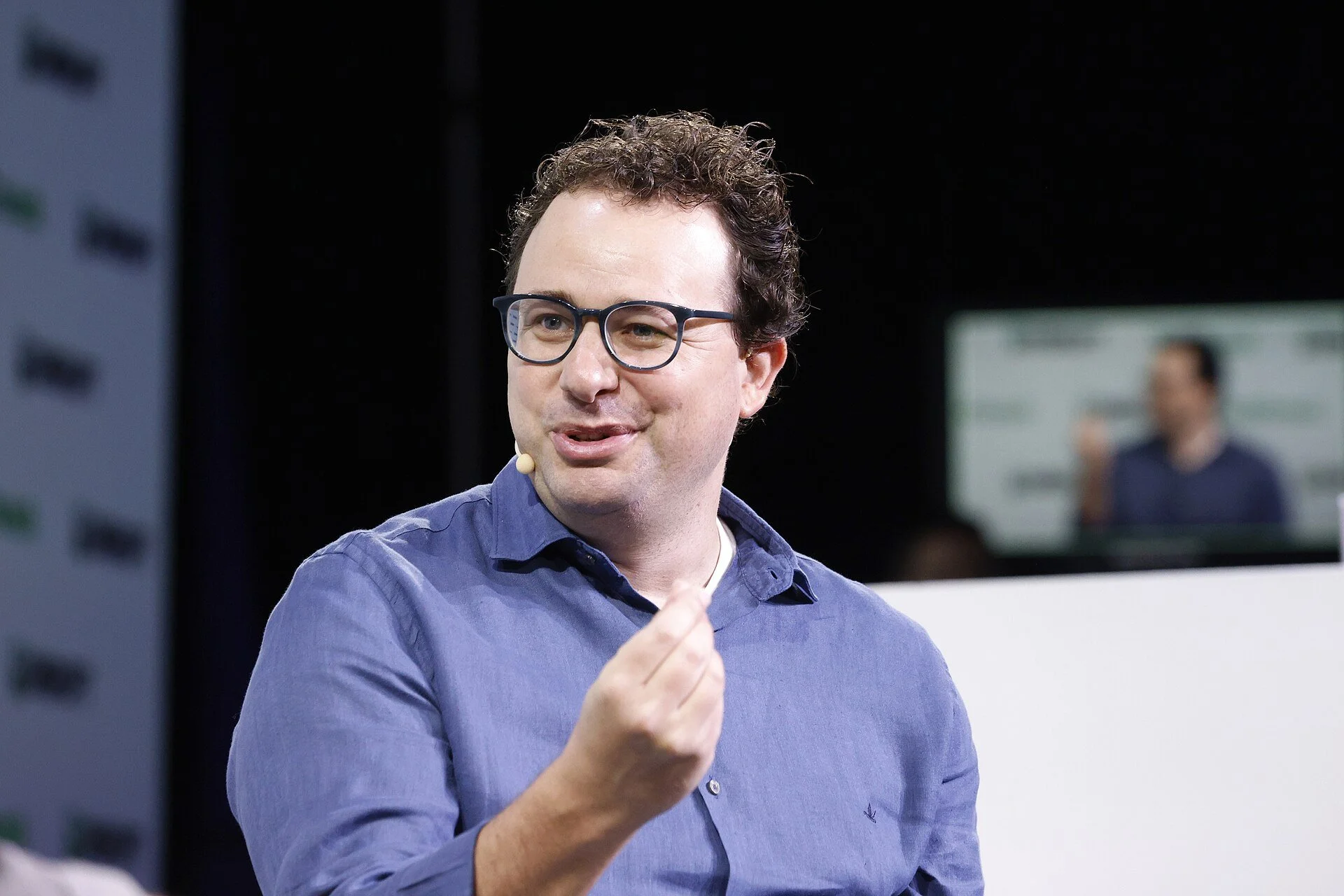
On September 12, Dario Amodei published an essay called "We Must Pace the Frontier." Within hours, Sam Altman posted that OpenAI would do the same. Elon Musk's response was three words: "Dario is right."
I've read the coverage that treats this as a warning. I read it as the opposite. Here is why.
What they actually said
Amodei's central sentence is plain: "We must slow the pace at which we improve the capabilities of AI models." He is careful about what that means. "Pacing does not mean halting model training or technical progress." It means buying time so that alignment, interpretability, and outside testing catch up with each new model before the next one lands.
His plan has three steps. First, third-party evaluators inside the labs with employee-level access, the right to see what internal risk teams see, and the right to publish what they find without the company editing it. Anthropic committed to that one unilaterally, starting now. Second, frontier labs in democratic countries agree on common safety standards. Third, those governments coordinate with everyone else.
Altman's reply the same day: "I agree with Dario that we need to pace the frontier. Committing to having independent evaluators with employee-like access is a great idea, and we will do the same." A few days later he added the line that got quoted everywhere: "No amount of American competitive pressure should justify recklessness." He also said OpenAI will not go public in 2026, because with safety questions open it would be an ill-advised moment.
Musk, who has spent years arguing that AI carries more risk than nuclear weapons, endorsed the essay on X and reshared his old warning.
Why this is good news
I think AI is the biggest technology of my lifetime, bigger than the internet, with stakes the world has not faced since the atomic age. I also think it is the best thing to happen to a small business owner in my working life. Both of those are true at once, and this week is the first time the people building it said so in unison.
Consider what it took. OpenAI, Anthropic, and xAI compete for the same enterprise customers, the same researchers, and the same chips. Two of these CEOs have sued each other. The easy move for any one of them was to let the others slow down and take the lead. Instead, the three of them chose the same week to say the quiet part out loud: the technology is powerful enough that the race itself has become the risk.
That is not fear. That is confidence. You only argue for a speed limit on a road you intend to keep driving.
What it looks like from a much smaller seat
I run the back office for two jiu-jitsu gyms on a system of Claude agents I built myself. It researches accounts, drafts outreach, watches the inbox, and stages the pipeline. The first rule I wrote for it was the same one Amodei is now proposing for the whole industry: nothing goes out under my name until a human has looked at it.
I did not write that rule because the agents were bad. I wrote it because they were good, and good enough to be wrong at scale. The verification layer is what let me hand them more work, not less. Pacing is how you go faster for longer.
The part of the story that gives me the most hope
MS NOW reported that Altman asked for a private meeting with the President at the convention last Thursday to talk about AI's growing power, and that Anthropic attended the White House's August convening on the new federal framework. The administration's framework is voluntary. The companies could have taken the easy road. They asked for the meeting anyway.
Whatever Washington decides, the builders have already decided. Altman's words: "we do not believe we need to wait for legislation."
My read
Three people who could have won the race by running faster agreed to run it well. I've sold enterprise software and I've been the customer. I can tell you which of those makes a buyer trust the product.
Dario Amodei wrote the essay. Sam Altman signed his company up within hours. Elon Musk said the three words that ended the debate. If the biggest innovation in human history was going to be built by anyone, I'm glad it's being built by people who will say, in public, that they owe it to us to get it right.
What would you want the outside evaluators to check first?